Guide
Yurt Rentals in Colorado: Access, Altitude, and Weather
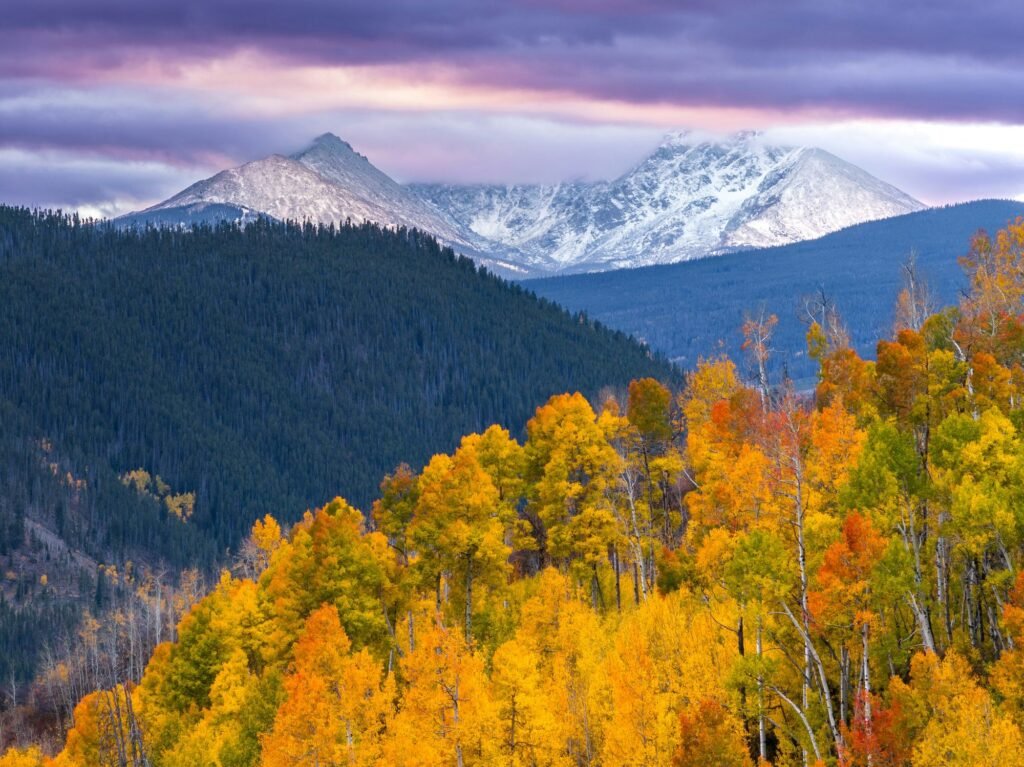
A yurt rental in Colorado can mean a ranch yurt with a bathroom and a ceiling fan, or a round room at the end of a 5.5-mile ski route at 12,000 feet. Both go by the same name. What separates them is how you get there, how high you sleep, and what the weather does on the way. How a yurt itself is built is covered in the yurt rental guide. This one covers what the mountains change.
Where Colorado Yurts Are
Colorado.com, the Colorado Tourism Office’s site, places yurt and glamping stays across the northwest, the Western Slope, the Royal Gorge region near Cañon City, and the Front Range. Airbnb’s Colorado yurt page shows them on farms, ranches, and forested land. Some are off-grid, with solar lights and hauled water. The Colorado page covers the state more broadly.
Access
Colorado.com describes three kinds of approach. The first ends at a parking spot. The second is a short trail: its example is a groomed mile to a nordic-center yurt, on skis or snowshoes in winter, with a Jeep in summer or a snowmobile in winter for guests who would rather ride. The third is a backcountry route, and its example is 5.5 miles to a yurt at 12,000 feet, with the advice to pack ample water, food, and warm clothing.
So the first question for any listing is which of the three it is. For a drive-up yurt, the question is the car. For a ski-in yurt, it is your legs, your gear, and how the bags get there.
Altitude
Does it matter where you sleep, or only how high you hike? The Centers for Disease Control and Prevention counts sleeping elevation. It puts the start of altitude illness risk at about 8,000 feet and advises against going from a low elevation to sleeping above 9,000 feet in one day. Above 9,000 feet, it suggests raising your sleeping elevation by no more than 1,600 feet a day, with an extra rest day for every 3,300 feet gained. A day trip higher followed by a night lower helps. So does skipping alcohol and heavy exercise for at least 48 hours after arriving above 8,000 feet.
The U.S. Forest Service says that, depending on altitude, 20 to 30 percent of visitors from near sea level have one or more symptoms of altitude sickness, and that children are more susceptible than adults. It also notes that the air up high is colder and drier and the sun’s ultraviolet rays are stronger. The CDC advises anyone with heart or lung disease, diabetes, or a pregnancy to talk to a doctor first. By those figures, a high yurt makes a better third night than a first one, straight off a flight from the coast.
Snow
Snow load climbs fast with elevation. Larimer County’s building department, in a sheet written for the 2015 codes, sets the ground snow load at 35 pounds per square foot at 5,000 feet, 70 at 8,000, and 140 at 10,000. Above 10,000 feet it sends builders to the Structural Engineers Association of Colorado’s snow report. The same sheet notes that the residential code has no ready-made tables for ground snow loads over 70 pounds, so a building on such a site needs engineered design.
Ground load and roof load are different numbers. The ground figure is what the weather delivers. The roof figure is what the structure must carry once the engineering factors the county cites are applied to it. One yurt maker rates its largest model, enhanced, for roof snow up to 100 pounds per square foot, and recommends local engineers for local figures. Other Colorado counties publish their own loads. The question for a host is whether the yurt was engineered or upgraded for the snow at its site.
Winter Roads
The Colorado Department of Transportation enforces a traction law on I-70 between Morrison and Dotsero from September 1 to May 31, and can apply it to any state highway when conditions require. Under it, passenger vehicles need all-weather or winter tires with at least 3/16 inch of tread, marked with a mountain-snowflake icon, M+S, or M/S, or they must carry chains or an approved traction device. All-wheel and four-wheel drive are not required, though CDOT highly recommends them. In severe storms it can order the chain law, the last step before a road closes, and then every vehicle needs chains or an approved device.
None of this covers the last stretch to a yurt. That may be a private road. Ask the host who plows it and what a car needs in your month.
Heat, Water, and Bathrooms
Colorado.com says wood stoves heat the backcountry and nordic-center yurts it describes. Some of those come with linens and down comforters while others expect guests to bring bedding and cookware. Airbnb’s Colorado yurt page lists wood stoves and propane heat. Its bathrooms range from one inside the yurt to shared facilities or a bathhouse with a composting toilet across the yard. Mountain temperatures drop considerably after sunset, especially at higher elevations, according to one yurt maker, so ask about heat even for a July booking. A stove or propane heater brings carbon monoxide with it, and the Consumer Product Safety Commission advises alarms outside separate sleeping areas.

Avalanche Terrain
A ski-in yurt in winter is a backcountry trip. The Colorado Avalanche Information Center’s records show more avalanche deaths in Colorado than in any other state since the winter of 1950 to 1951. Colorado.com says avalanche-awareness training is essential for remote winter yurts, along with navigation skills and the right gear. The center publishes a Backcountry Forecast and offers an Avalanche Aware eLearning course built with two other avalanche organizations.
Forecasts use the North American danger scale of five levels: Low, Moderate, Considerable, High, and Extreme. The middle one deserves attention. Avalanche.org says many slopes should be avoided at Considerable, and that historically the most avalanche deaths have occurred at that rating. Ask the host whether the route to the yurt crosses avalanche terrain, then read the forecast for the day you travel.
Summer Storms
The Forest Service advises getting down to tree line by noon in the high country, and warns that lightning can strike 10 to 15 miles from a storm. Where should a yurt guest go? NOAA defines safe shelter as a substantial building with electricity or plumbing, or an enclosed, metal-topped vehicle with the windows up. The National Weather Service says tents and open structures offer no lightning protection at all.
Neither agency names yurts. A yurt has fabric walls, and many have no plumbing, so by that test a hard-topped car in the parking area may be the better shelter. One yurt maker says a yurt draws lightning no more than any other structure in the same place. It knows of one yurt that was struck: the strike melted some insulation and hurt no one. NOAA’s advice is to stay sheltered until 30 minutes after the last thunder. Ask the host where guests should wait out a storm.
Fire Restrictions
Colorado’s burn ban definitions come in stages. Stage 1 bans fires, campfires, and coal or wood burning stoves in undeveloped areas. Stage 2 bans the same list everywhere. Stage 3 closes public lands. That can shut the trail to a backcountry yurt. Possible exemptions include valve-controlled gas appliances, owners or lessees of land in the area, and residents, but each county writes its own order.
The wording matters for a yurt with a wood stove. Douglas County’s order, for example, allows wood-burning stoves and fireplaces under both Stage 1 and Stage 2 “within buildings only,” and bans patio fire pits under Stage 2. Is a yurt a building under that order? The county does not say. If a yurt’s heat is a wood stove, or the listing promises a fire pit, ask the host what the current order in that county allows.
Seasons
Colorado.com says some yurts are open year-round and others only part of the year, with some winter sites reached by non-motorized or snowmobile routes. A listing may still be bookable in months when the road, the trail, or the water is not working as the photos suggest. Ask what the host expects for your dates.
Questions to Ask a Host
- Is it drive-up, a short trail, or a backcountry route, and how far is the walk from parking?
- What does the car need on the last stretch of road in my month?
- What is the sleeping elevation, and is there a lower place nearby for the first night?
- Was the yurt engineered or upgraded for the snow load at this site?
- What heats the yurt, and is the stove or fire pit allowed under the county’s current fire order?
- Is there running water and a toilet inside, or do I carry water in?
- Does the winter route cross avalanche terrain, and who maintains the trail?
- Where should guests go if a thunderstorm builds?
- Do I bring bedding and cookware?
The general list is in the guide to questions to ask an Airbnb host.
Another mountain stay that starts with the road up and the snow on it is covered in the guide to Big Bear cabins in California. How a dome handles cold, wind, and snow is in glamping domes explained.
Frequently Asked Questions
Do you have to ski to reach a yurt in Colorado?
Not always. Colorado.com describes three kinds of approach: one ends at a parking spot, one is a short trail such as a groomed mile on skis or snowshoes, and one is a backcountry route such as 5.5 miles to a yurt at 12,000 feet.
Is altitude sickness a risk at a Colorado yurt?
Yes, from a sleeping elevation of about 8,000 feet, according to the CDC. The Forest Service says 20 to 30 percent of visitors from near sea level have one or more symptoms, depending on altitude. A high yurt makes a better third night than a first one.
Is a yurt safe shelter in a lightning storm?
Possibly not. NOAA defines safe shelter as a substantial building with electricity or plumbing, or an enclosed, metal-topped vehicle with the windows up. A yurt has fabric walls, and many have no plumbing, so a hard-topped car in the parking area may be the better shelter.
Can you use a wood stove in a Colorado yurt during a fire ban?
It depends on the county’s order. Douglas County, for example, allows wood-burning stoves under Stage 1 and Stage 2 “within buildings only” and does not say whether a yurt counts as a building. Ask the host what the current order allows.
What tires do you need to drive to a Colorado yurt in winter?
Where CDOT’s traction law applies, all-weather or winter tires with at least 3/16 inch of tread, or chains or an approved traction device. It covers I-70 between Morrison and Dotsero from September 1 to May 31 and any state highway when conditions require. The last stretch to a yurt may be a private road, so ask the host what a car needs.