Guide
What Is Glamping? What a Glamping Stay Includes
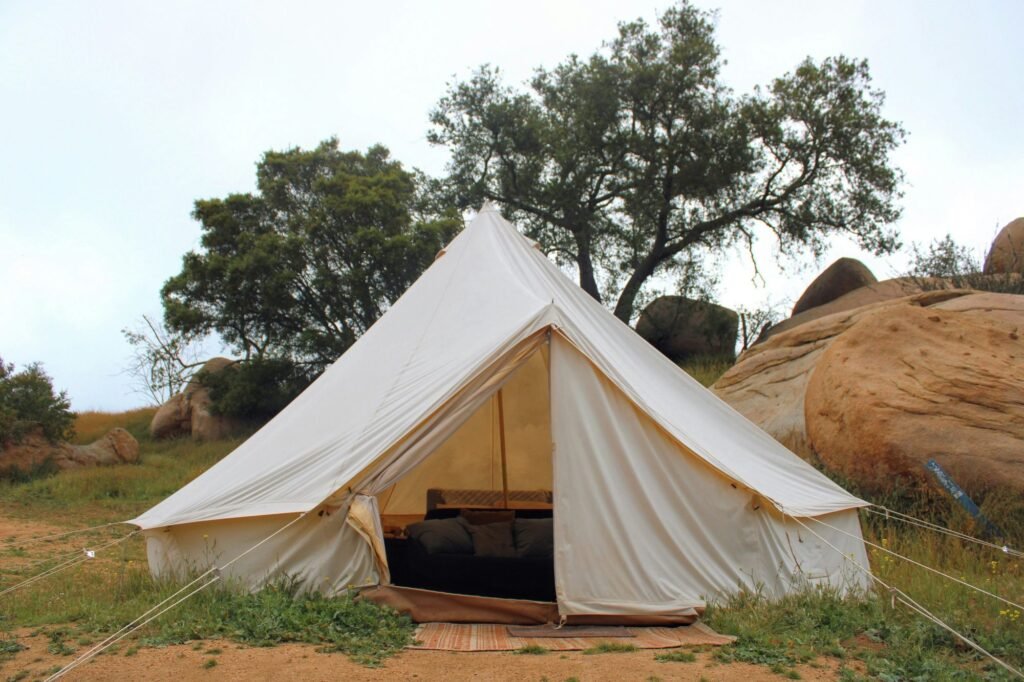
What is glamping? It is an overnight stay in a tent, yurt, dome, pod, treehouse, or small cabin where the bed is made before you arrive. That bed is close to the only feature every glamping stay shares. Power, heat, a private bathroom, and a kitchen vary from one listing to the next.
The Word
“Glamping” joins “glamorous” and “camping.” Dictionary.com labels it informal and defines it as camping with upscale amenities, such as a plush bed inside a tent. It places the first recorded use between 2000 and 2005. The Oxford English Dictionary added the word in its June 2016 update and defined it as camping with luxuries not usually associated with the traditional kind.
The label is loose in practice. Pennsylvania’s state tourism office published a 2026 roundup of treehouse stays that included a canvas tent and a chalet-style cabin. A listing’s photos, amenity list, and house rules say what the stay is. How the activity compares with ordinary camping is covered in glamping versus camping.
The Structures
What will you be sleeping in? Hipcamp, a booking site for outdoor stays, sorts glamping into about a dozen structures. The groupings are one company’s. Other booking sites may draw the lines elsewhere.
The fabric stays come first. A canvas tent is heavy canvas on a flat surface, usually one room. A bell tent is a cone of canvas around a single center pole. A safari tent is rectangular, with an extended canopy, a raised floor, and often more than one room. A yurt is a circular tent on a platform, built over a lattice wall under a cone-shaped roof; yurts have their own guide in yurt rentals. A dome is a round shell, often partly clear, and glamping domes explained covers how one handles heat and cold.
The wooden stays come next. A glamping pod is an arched wooden structure with a proper front door, often with electricity and plumbing. Cabins carry the most home comforts: beds, a shower, a kitchen, a toilet, and heat. An A-frame is a small cabin whose steep sides form a triangle, often with electricity and some plumbing. A tiny home is a compact house of no more than 400 square feet. Hipcamp files treehouses with buses, shepherd’s huts, and converted shipping containers, and renting a treehouse explains how one is held up.
Down that list, the wall between the bed and the weather gets thicker. In a canvas tent, the wall is the fabric. In a pod or a cabin, it is wood, with a door that latches.
Canvas in Rain
Does a canvas tent leak? It can. Wall Tent Shop, a canvas tent maker, tells owners to keep the roof tight by adjusting the guy ropes. A slack roof lets rain pool in a trough near the eaves. The maker says the canvas there will eventually saturate and leak.
Snow is the other load. The same maker says canvas tents, unlike wooden buildings, are not designed for heavy snow loads, and that snow should be knocked off the roof. A guest booking canvas in a wet or snowy month can fairly ask who checks the ropes and who clears the roof.

Bathrooms
Where is the toilet? For many guests that question matters more than the shape of the roof. Hipcamp says some glamping stays come with a private bathroom and that many offer bathrooms in shared spaces with other guests. Hostaway, a vacation rental software company, names composting toilets as a popular alternative to piping water out to a treehouse.
With a shared bathhouse, every trip to the toilet is a walk outside, in any weather. Ask how far it is, whether the path is lit, and whether the bathroom stays open in cold months.
Power, Heat, and Cooling
Will there be power? Hipcamp hedges electricity with “often,” “usually,” and “might.” It says most safari tents include it and that a dome might, while a cabin comes with heat as a matter of course.
Heat in a tent is a little like heat in a convertible with the top up. It works. It has less to hold on to. Ask what heats and cools the stay, whether it is on a thermostat or a switch, and whether it is safe to leave on all night.

Beds and Kitchens
Will the bed be made? Usually. Hipcamp says the linens are already on the bed, and the Pocono Mountains visitors bureau describes its region’s glamping as a night on a mattress in place of a sleeping bag. Towels, blankets, and pillows are separate questions.
Kitchens vary more than beds. Hipcamp describes a cabin as having a kitchen and a tiny home as having a small one, and it lists no kitchen at all for tents, bell tents, or yurts. Visit PA’s roundup includes a canvas tent whose guests share a community outdoor kitchen. The word “kitchen” on a listing is worth unpacking: ask about the fridge, the burners, the dishes, and drinking water.
Seasons
Can you glamp in winter? Hipcamp says glamping works in every season because the structure shelters you from the weather. Whether a given stay works in January depends on what heats it, how the water is kept from freezing, and who clears the snow. Hostaway adds two seasonal points for treehouses: winter access can be hard depending on the climate, and leaf cover changes the view and the privacy from one season to the next. Ask whether the stay is open in the month you want before planning around it.
Questions to Ask
The listing answers some of these. The rest take a message to the host.
- Is the bathroom private, and how far is it from the bed?
- What heats the space in winter and cools it in summer?
- Is there electricity all night, or only at set hours?
- Are sheets, blankets, pillows, and towels provided?
- What does the kitchen include: a fridge, burners, dishes?
- Is there drinking water on site?
- Is the stay open in the month of the trip, and what happens if severe weather arrives?
More detail is in the guides to tiny house stays and glamping in Ontario.
Frequently Asked Questions
What is glamping?
An overnight stay in a tent, yurt, dome, pod, treehouse, or small cabin where the bed is made before you arrive. Power, heat, a private bathroom, and a kitchen vary from one listing to the next.
Does glamping have private bathrooms?
Some stays do. Hipcamp says some glamping stays come with a private bathroom and many offer bathrooms shared with other guests. Hostaway names composting toilets as a popular alternative to piping water out to a treehouse.
Do glamping tents have electricity?
Often. Hipcamp hedges electricity with “often,” “usually,” and “might.” It says most safari tents include it and that a dome might.
Can you go glamping in winter?
Yes, at some stays. Hipcamp says glamping works in every season. Whether a given stay works in January depends on what heats it, how the water is kept from freezing, and who clears the snow.
Are sheets provided when glamping?
Usually. Hipcamp says the linens are already on the bed. Towels, blankets, and pillows are separate questions for the host.